

What is L-ascorbic acid used for?
L - Ascorbic Acid, also known as Vitamin C, is a naturally occurring water - soluble vitamin and a powerful antioxidant with the chemical formula C₆H₈O₆. This vital nutrient plays a crucial role in various biological processes, including collagen synthesis, immune function enhancement, and iron absorption facilitation. Its antioxidant properties help neutralize free radicals, protecting cells from oxidative stress and reducing the risk of chronic diseases.
- Immune System Booster
L - Ascorbic Acid is essential for a healthy immune system. It stimulates the production and function of white blood cells, which are the body's primary defense against infections. A meta - analysis of several studies found that regular supplementation with L - Ascorbic Acid can reduce the duration and severity of colds in some individuals.
Moreover, it helps in the synthesis of collagen, which is important for the integrity of the skin and mucous membranes. These physical barriers act as the first line of defense against pathogens. Additionally, L - Ascorbic Acid can enhance the function of lymphocytes and phagocytes, immune cells that are responsible for identifying and destroying foreign invaders.
- Collagen Synthesis
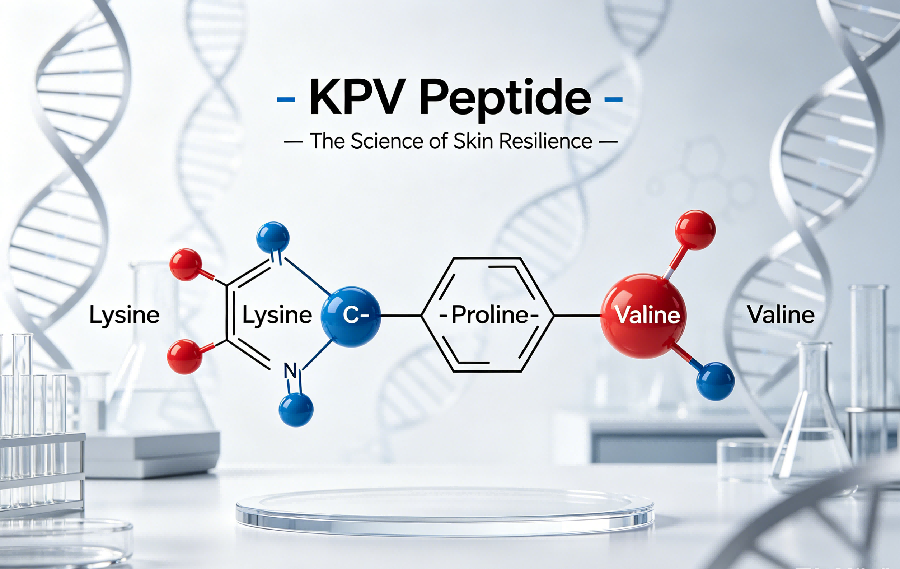
Collagen is the most abundant protein in the human body, providing structure and strength to the skin, bones, tendons, and other connective tissues. L - Ascorbic Acid is a cofactor in the hydroxylation of proline and lysine residues during collagen synthesis. This hydroxylation process is necessary for the formation of a stable triple - helical structure of collagen.
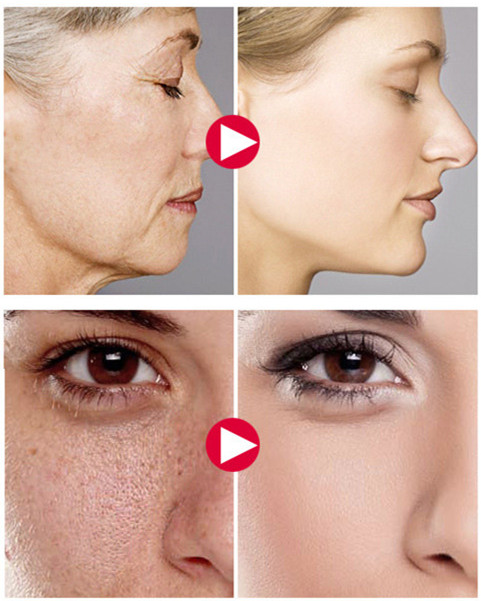
Research has shown that topical application of L - Ascorbic Acidcan increase collagen production in the skin. A study on photo - aged skin found that daily application of a 10% L - Ascorbic Acid solution for 12 weeks led to a significant increase in collagen synthesis, resulting in improved skin texture, reduced wrinkles, and enhanced skin elasticity. This makes L - Ascorbic Acid a popular ingredient in anti - Aging Skincare products.
- Skin Whitening and Pigmentation Control
L - Ascorbic Acid has been shown to inhibit the activity of tyrosinase, an enzyme involved in the production of melanin, the pigment responsible for skin color. By reducing melanin synthesis, it can help lighten hyperpigmented areas such as age spots, freckles, and melasma.
A clinical trial using a topical formulation containing L - Ascorbic Acid demonstrated a significant reduction in skin pigmentation after 12 weeks of use. The study also found that L - Ascorbic Acid can enhance the effectiveness of other skin - lightening agents when used in combination, making it a valuable ingredient in the treatment of pigmentation disorders.

- Iron Absorption
L - Ascorbic Acid plays a crucial role in enhancing the absorption of non - heme iron, the type of iron found in plant - based foods. It reduces ferric iron (Fe3+) to ferrous iron (Fe2+), which is more soluble and easier to absorb in the small intestine.
A study in individuals with iron deficiency anemia found that co - administration of L - Ascorbic Acid with iron supplements significantly increased iron absorption. This is particularly important for vegetarians and vegans, who rely mainly on non - heme iron sources, and for people with conditions that affect iron absorption, such as celiac disease.
- Food and Beverage Industry
In the food and beverage industry, L - Ascorbic Acid is widely used as an antioxidant, preservative, and nutrient enhancer. It helps prevent oxidation of fats and oils in food products, thus extending their shelf life and preventing rancidity.
For example, in the production of fruit juices, L - Ascorbic Acid is added to prevent browning and degradation of vitamins. It also acts as a reducing agent in the curing of meat products, helping to form the characteristic color and flavor while inhibiting the growth of harmful bacteria. Additionally, it is used as a vitamin supplement in fortified foods to increase their nutritional value.
- Industrial Applications
Beyond the food and healthcare sectors, L - Ascorbic Acid has several industrial applications. In the textile industry, it is used as a reducing agent in dyeing processes, helping to fix dyes to fabrics more effectively.
In the pharmaceutical industry, it is used in the synthesis of various drugs and as a stabilizer in pharmaceutical formulations. It can also be found in the production of cosmetics, where it is used for its antioxidant and skin - beneficial properties. In the water treatment industry, L - Ascorbic Acid can be used to remove chlorine and other oxidants from water, improving water quality.
In conclusion, L - Ascorbic Acid is a remarkable compound with a wide range of applications. From its role in maintaining human health to its use in various industries, it continues to be a subject of great interest and importance. As our understanding of its properties and functions deepens, we can expect to see even more innovative uses of L - Ascorbic Acid in the future.
- Amily
- E-mail:sales09@aogubio.com
- Whatsapp:+86 18161805632