


Can I Use Polyglutamic Acid Every Day?
| What is Polyglutamic Acid? Polyglutamic acid(referred to as PGA for short) is a water - soluble and biodegradable biopolymer composed of repeating glutamic acid units. It naturally exists in foods such as natto (a fermented soybean product) and can also be artificially synthesized for use in various industries including cosmetics. In the skincare field, polyglutamic acid is highly favored for its excellent moisturizing properties. It was first discovered by scientists in jellyfish, a marine organism, in 1937. As a polymer synthesized by microorganisms using glutamic acid, it has the characteristics of water solubility, biodegradability, edibility, and safety for humans and the environment. | 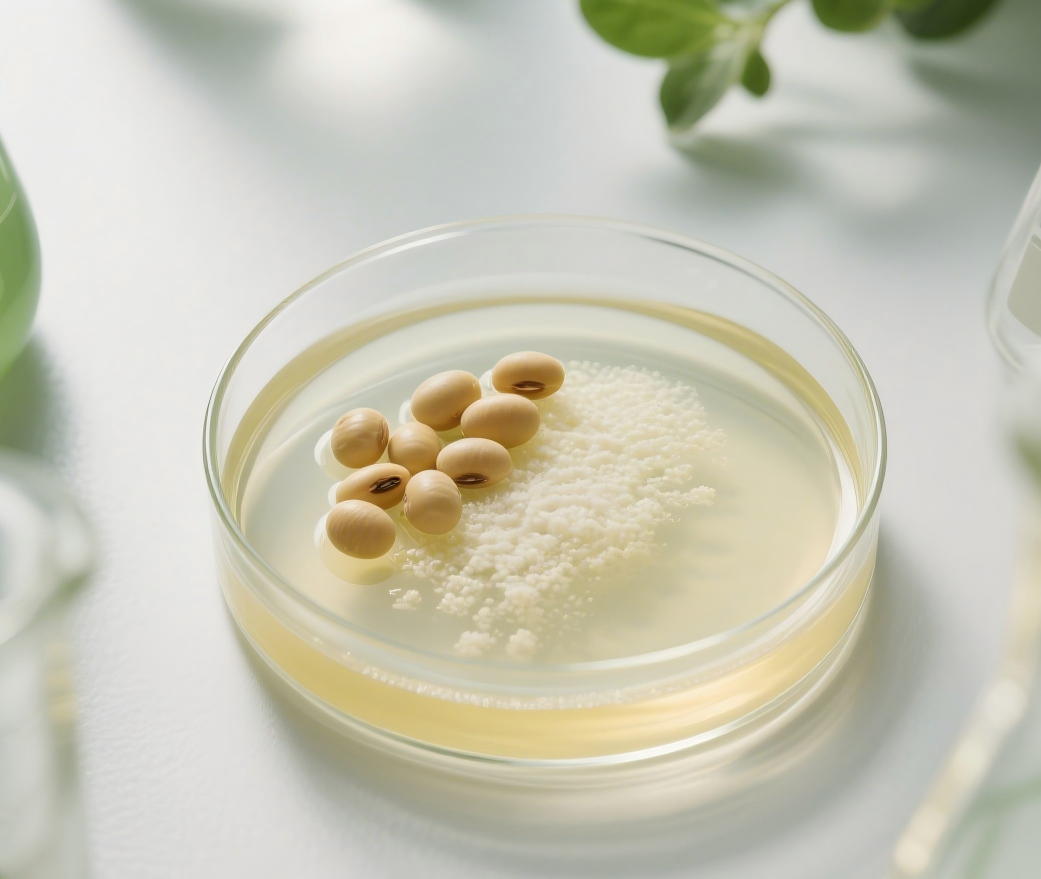 |
Advantages of Polyglutamic Acid in Skincare
- Superb Moisturizing Power
One of the most concerned and well - studied advantages of polyglutamic acid is its water - locking ability. A study titled "Evaluation of Moisturizing Efficacy and Safety of Polyglutamic Acid" published in the China Surfactant Detergent & Cosmetics in 2019 showed that polyglutamic acid with different molecular weights and mass fractions has significant differences in moisturizing properties. Among them, polyglutamic acid with a molecular weight of 1200kDa exhibits outstanding moisturizing effects when its mass fraction is 0.1%. The change rates of skin moisture content of the subjects 2 and 4 hours after applying this test substance were (103.9±0.2)% and (112.2±0.2)% respectively, which is close to that of sodium hyaluronate, a widely used moisturizer nowadays, which was (114.0±0.3)%. Other studies have also shown that it can absorb and lock in 5000 times its own weight in water. This property makes it a highly effective moisturizing ingredient in skincare products. When applied to the skin, it forms a thin, invisible film that helps lock in moisture and reduce transepidermal water loss. This is crucial for maintaining the skin's moisture balance, especially suitable for dry or dehydrated skin types.
- Enhancing Skin Barrier Function
A healthy skin barrier is the key to protecting the skin from external stimuli and maintaining skin moisture. Studies have confirmed that polyglutamic acid can enhance the skin's natural barrier function. A study published in a well - known dermatology journal showed that long - term use of skincare products containing polyglutamic acid can gradually improve the integrity of the skin barrier. This means the skin is better able to resist pollutants, allergens, and other harmful external substances.
- Potential Anti - aging Effects
As we age, the skin gradually loses elasticity and firmness, and fine lines and wrinkles begin to appear. Polyglutamic acid may help fight these signs of aging. By fully hydrating the skin, it can plump up the skin cells, thereby reducing the appearance of fine lines and wrinkles. In addition, some studies suggest that polyglutamic acid may stimulate the production of collagen - a key protein that maintains the skin's toughness and elasticity. Although more research is needed in this field, the preliminary results are undoubtedly positive for those who want to maintain a youthful skin appearance.
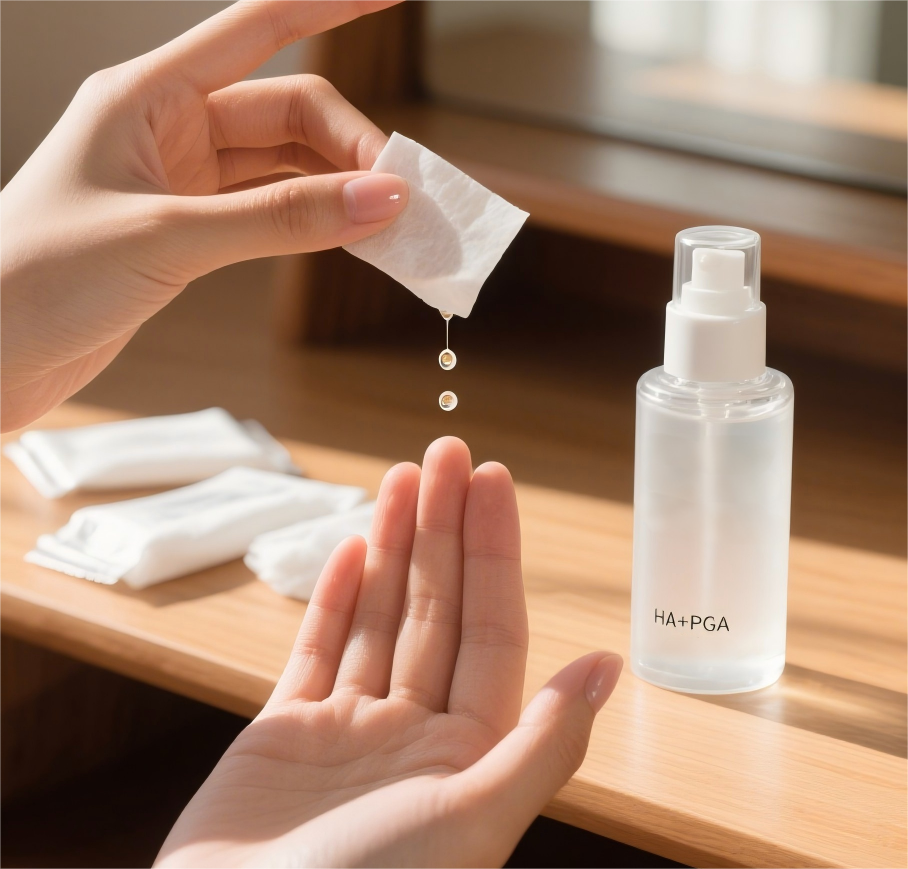
Can I Use Polyglutamic Acid Every Day?
The results of a skin patch test in the 2019 study "Evaluation of Moisturizing Efficacy and Safety of Polyglutamic Acid" showed that polyglutamic acid is safe and non - irritating to the skin. For most people, using polyglutamic acid every day is both safe and beneficial. Since it is a natural and gentle ingredient, it is well - tolerated by a variety of skin types, including sensitive skin. In fact, daily use can continuously maintain the skin's moisture level and support the overall health of the skin.
However, just like using any skincare ingredient, it is important to gradually incorporate it into your skincare routine. If you have extremely sensitive skin or a history of allergies to new products, it is recommended to conduct a patch test first. Take a small amount of the product containing polyglutamic acid, apply it to a small area of skin such as the inner arm, and wait for 24 - 48 hours to observe if any adverse reactions occur.
How to Incorporate Polyglutamic Acid into Your Daily Skincare Routine?
- Serum
Serum is a common way to deliver high - concentration active ingredients to the skin. Choose a polyglutamic acid serum and use it after cleansing and toning. A pea - sized amount is usually sufficient to cover the entire face and neck. Gently massage the skin until the serum is fully absorbed, then apply a moisturizer. This will help better lock in the moisture provided by the polyglutamic acid serum.
- Moisturizer
Nowadays, many moisturizers add polyglutamic acid as an additional moisturizing ingredient. If you prefer a simple skincare routine, using a moisturizer containing polyglutamic acid is an excellent choice to incorporate this ingredient into your daily skincare. After cleansing, apply it once in the morning and once at night to keep the skin hydrated throughout the day and night.
- Face Mask
There are also face mask products containing polyglutamic acid on the market. Such masks can be used 1 - 2 times a week to provide additional moisturizing and nourishment to the skin. Follow the product instructions, apply the mask to the face for 10 - 15 minutes, then rinse off the residue or gently pat the face to allow the remaining serum to be absorbed by the skin.
Conclusion
Polyglutamic acid is a powerful and versatile skincare ingredient, with significant advantages in moisturizing and enhancing the skin barrier. For most people, incorporating it into their daily skincare routine can help keep the skin in a good condition and texture. But as always, it is important to pay attention to the skin's reaction and adjust the skincare routine according to the actual situation. If you have any questions or concerns about using polyglutamic acid, consulting a dermatologist is always a wise choice.
- Name: Yuik
- E-mail: sales02@nahanutri.com
- WhatsApp:+8618066950297